ในสมรภูมิอันดุเดือดของ Dota 2 ช่วงเวลาที่ตื่นเต้นที่สุดและสามารถตัดสินผลแพ้ชนะของเกมได้อย่างแท้จริงคือ “Team Fight” ครับ การปะทะกันแบบ 5v5 หรือแม้แต่ 3v3 ที่เกิดขึ้นอย่างรวดเร็วและวุ่นวาย หลายคนอาจจะคิดว่า Team Fight ก็แค่ยืนตีกัน ใครดาเมจเยอะกว่าก็ชนะ แต่จริงๆ แล้ว Team Fight เป็นมากกว่านั้นเยอะ มันคือการเต้นรำแห่งกลยุทธ์ที่ต้องอาศัยการเข้าจังหวะ การใช้สกิล การจัดตำแหน่ง และที่สำคัญที่สุดคือ “การตัดสินใจถอย” ให้ถูกเวลา ซึ่งเป็นสิ่งที่ Pro Player ฝึกฝนจนเป็นศิลปะในการแข่งขัน dota2live บทความนี้โดย แบกกรูที จะพาคุณไปเจาะลึกถึงเทคนิคการเข้าและถอยใน Team Fight อย่างมีประสิทธิภาพ เพื่อให้คุณและเพื่อนร่วมทีมไม่ด่าว่า “ไปไหนมา!” และสามารถ รอดตายคือชนะ ได้อย่างแท้จริง!
Team Fight คืออะไร และทำไมมันถึงสำคัญขนาดนั้นใน Dota 2?
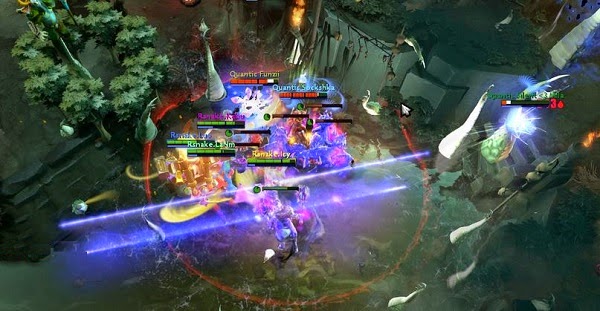
Team Fight คือการต่อสู้ครั้งใหญ่ที่ฮีโร่หลายตัวจากทั้งสองฝ่ายมารวมตัวกันและปะทะกัน ซึ่งมักจะเกิดขึ้นบริเวณเป้าหมายสำคัญๆ บนแผนที่ เช่น ป้อมปราการ, Roshan, Outposts หรือพื้นที่ Gank สำคัญๆ
ทำไม Team Fight ถึงเป็นหัวใจของเกม?
- พลิกเกม (Game-Changing): Team Fight ที่ดีสามารถสร้างความได้เปรียบด้านทองและประสบการณ์อย่างมหาศาล และสามารถใช้เป็นจุดเริ่มต้นในการดันป้อม หรือตี Roshan เพื่อปิดเกมได้
- กำหนดจังหวะเกม (Dictate Game Pace): ทีมที่ชนะ Team Fight มักจะเป็นทีมที่ควบคุมจังหวะของเกม ทำให้สามารถเล่นได้อย่างเชิงรุก
- สร้างความได้เปรียบทางจิตวิทยา: การชนะ Team Fight อย่างต่อเนื่องสามารถบั่นทอนขวัญกำลังใจของศัตรูได้
- ทดสอบความสามารถของทีม: Team Fight คือบททดสอบการประสานงาน การใช้สกิล และการตัดสินใจร่วมกันของทีม
เทคนิคการเข้า Team Fight อย่างชาญฉลาด (ไม่ใช่แค่วิ่งเข้าไปบวก!)
การเข้า Team Fight ที่ดีคือครึ่งหนึ่งของชัยชนะ:
1. การเตรียมตัวก่อนเข้าไฟต์ (Pre-Fight Preparation)
- เช็คไอเทม: ตรวจสอบให้แน่ใจว่าคุณมีไอเทมสำคัญพร้อมใช้ เช่น BKB, Linken’s Sphere, Mekansm, หรือ Force Staff
- เช็ค Mana: มีมานาพอที่จะใช้สกิลสำคัญๆ หรือ Ultimate ได้หรือไม่?
- เช็ค Cooldown: สกิลสำคัญๆ หรือ Ultimate ของคุณและเพื่อนร่วมทีมพร้อมใช้งานหรือยัง? (โดยเฉพาะสกิลเปิด Team Fight หรือสกิลควบคุมพื้นที่)
- เช็คตำแหน่งศัตรู (Vision): ปัก Ward ในบริเวณรอบๆ พื้นที่ที่คาดว่าจะเกิด Team Fight เพื่อมองเห็นการจัดตำแหน่งของศัตรู (ดูบทความ Ward คืออะไร?)
- ใช้ Smoke of Deceit: หากต้องการความประหลาดใจ ใช้ Smoke เพื่อเข้าสู่ Team Fight จากมุมที่ศัตรูไม่คาดคิด (ดูบทความ Smoke of Deceit ใช้ตอนไหน?)
- รวบรวมทีม: Team Fight ที่ดีต้องมีฮีโร่เกือบครบ 5 คน อย่าพยายามเข้าไฟต์ในขณะที่เพื่อนร่วมทีมกำลังฟาร์มอยู่อีกมุมของแผนที่ หรือกำลังรอเกิด
2. การเลือก Initiator (ผู้เปิดการต่อสู้)
- ฮีโร่ Initiator คือหัวใจ: ฮีโร่ที่มีสกิลเปิดการต่อสู้ที่ดี เช่น Enigma (Black Hole), Axe (Berserker’s Call), Tidehunter (Ravage), Earthshaker (Echo Slam) ควรเป็นคนแรกที่เข้าไปเปิดการต่อสู้
- ตำแหน่งการเปิด: Initiator ควรหาจังหวะและตำแหน่งที่สามารถเปิดสกิลโดนศัตรูสำคัญได้หลายตัว หรือโดน Carry/Mid Laner ศัตรู
- รอจังหวะที่เหมาะสม: บางครั้งการรอให้ศัตรูเดินพลาด หรือใช้สกิลสำคัญไปก่อน จะเป็นจังหวะที่ดีที่สุดในการเปิด
3. การจัดตำแหน่ง (Positioning) และการทำดาเมจ
- Core / Carry: พยายามอยู่ตำแหน่งที่ปลอดภัยที่สุดในขณะที่ยังสามารถโจมตีศัตรูได้ และหลีกเลี่ยงการโดนสกิลควบคุมสำคัญๆ ของศัตรู
- Support: อยู่แนวหลัง คอยใช้สกิลควบคุม, ฮีลเพื่อนร่วมทีม, หรือใช้ไอเทมช่วยเหลือ
- Offlaner / Initiator: หลังจากเปิดการต่อสู้แล้ว ให้พยายามสร้างความปั่นป่วนในแนวหน้า หรือพุ่งเป้าไปที่ Carry/Support ศัตรู
- โฟกัสเป้าหมาย: พยายามรุมโจมตีเป้าหมายเดียวให้ตายอย่างรวดเร็ว (มักจะเป็น Carry/Mid Laner ศัตรู) เพื่อลดดาเมจจากฝั่งตรงข้าม
- ใช้สกิลต่อเนื่อง (Spell Combos): วางแผนกับเพื่อนร่วมทีมว่าใครจะใช้สกิลอะไรต่อจากใคร เพื่อให้เกิดผลสูงสุด
เทคนิคการถอยจาก Team Fight อย่างชาญฉลาด (รอดตายคือชนะ!)
การถอยที่ดีมีความสำคัญไม่แพ้การเข้า:
1. สัญญาณที่ต้องถอย (When to Retreat)
- สกิลสำคัญหมด Cooldown: หาก Ultimate ของคุณและเพื่อนร่วมทีมหมด Cooldown และสกิลสำคัญๆ ถูกใช้ไปหมดแล้ว แต่ศัตรูยังมีสกิลเหลืออยู่
- พลังชีวิต/มานาเหลือน้อย: เมื่อฮีโร่ส่วนใหญ่ในทีมพลังชีวิตหรือมานาเหลือน้อยจนไม่สามารถทำอะไรต่อได้
- ฮีโร่สำคัญตาย: หาก Carry หรือ Mid Laner ของทีมคุณตายไปก่อน และไม่มีใครทำดาเมจได้แล้ว
- โดนเปรียบเทียบตัวเลข: หากศัตรูมีฮีโร่มากกว่า (เช่น เพื่อนร่วมทีมคุณตายไป 1 คน แต่ศัตรูยังอยู่ครบ)
- ไม่สามารถทำ objective ได้: หากไม่สามารถชนะ Team Fight และไม่สามารถดันป้อม หรือตี Roshan ได้ ให้พิจารณาถอย
2. วิธีการถอยอย่างมีประสิทธิภาพ
- ถอยเป็นกลุ่ม (ถ้าทำได้): พยายามถอยพร้อมกัน ไม่ทิ้งใครไว้ข้างหลัง
- ใช้สกิลป้องกัน/ควบคุม: ฮีโร่ Support หรือ Offlaner ควรใช้สกิลควบคุมศัตรู หรือสกิลป้องกันเพื่อเปิดทางให้เพื่อนร่วมทีมถอยหนี
- Blink Dagger / Force Staff: ใช้ไอเทมเหล่านี้เพื่อวาร์ปหนี หรือผลักตัวเอง/เพื่อนร่วมทีมให้พ้นจากอันตราย (ดูบทความ Blink Dagger ใช้ยังไงให้คุ้ม?)
- TP Scroll: หากปลอดภัยพอ ให้กด TP กลับฐานทันที
- ใช้ Fog of War / ต้นไม้ / พื้นที่สูง: วิ่งเข้าสู่พื้นที่มืด, เข้าป่า, หรือกระโดดขึ้น High Ground เพื่อหลบ Vision ศัตรูและตัดการไล่ล่า
- อย่าวิ่งเป็นเส้นตรง: พยายามวิ่งซิกแซก หรือวิ่งเข้าสู่พื้นที่ที่ศัตรูไม่สามารถตามได้ง่าย
3. การตัดสินใจของกัปตัน/ผู้เล่นที่มีประสบการณ์
- ผู้นำที่ดี: กัปตันทีม หรือผู้เล่นที่มีประสบการณ์สูง มักจะเป็นคนตัดสินใจว่าจะเข้าไฟต์หรือถอยจาก Team Fight และควรส่งสัญญาณให้เพื่อนร่วมทีมรับรู้ (Ping, Chat Wheel)
- การวิเคราะห์สถานการณ์: Pro Player จะวิเคราะห์สถานการณ์ในเสี้ยววินาที ว่า Team Fight นี้ควรสู้ต่อ หรือควรตัดใจถอย เพื่อรักษาสมดุลของเกม
Team Fight ในการแข่งขัน Dota2live: เรียนรู้จากมืออาชีพ
เมื่อคุณ ดูแข่ง dota หรือรับชมการแข่งขัน dota2live ของ Pro Player คุณจะเห็นว่า:
- Team Fight คือศิลปะ: พวกเขาไม่ได้แค่ยืนตี แต่เป็นการเคลื่อนไหวที่ซับซ้อน การใช้สกิลที่แม่นยำ และการตัดสินใจที่รวดเร็ว
- การจัดตำแหน่งที่สมบูรณ์แบบ: Pro Player จะรู้ว่าฮีโร่แต่ละตัวควรยืนอยู่ตรงไหนใน Team Fight เพื่อให้สร้าง Impact ได้สูงสุดและรอดชีวิต
- การกลับตัวสู้ (Re-Engage): บางครั้ง Pro Player ก็จะถอยออกมาพักเล็กน้อยแล้วกลับเข้าไปสู้ใหม่เมื่อสกิลพร้อม
- ความสำคัญของการรอดชีวิต: Pro Player เข้าใจว่าบางครั้งการรอดชีวิตของฮีโร่ Core สำคัญกว่าการได้ Kill เพิ่มอีก 1 Kill
สรุป: Team Fight ไม่ใช่แค่การบวก แต่คือการเต้นรำแห่งกลยุทธ์
Team Fight คือช่วงเวลาที่สำคัญที่สุดในการพิสูจน์ฝีมือและการประสานงานของทีมใน Dota 2 การเรียนรู้ที่จะ “เข้า” Team Fight อย่างชาญฉลาดด้วยการเตรียมตัวที่ดี การเลือก Initiator ที่เหมาะสม และการจัดตำแหน่งที่ถูกต้อง จะช่วยให้คุณได้เปรียบ
และที่สำคัญไม่แพ้กันคือ การเรียนรู้ที่จะ “ถอย” จาก Team Fight เมื่อสถานการณ์ไม่เป็นใจ การรอดชีวิตของฮีโร่สำคัญๆ สามารถรักษาความได้เปรียบ และลดโอกาสในการเสียเปรียบอย่างรุนแรง
โดย แบกกรูที เชื่อว่าด้วยการฝึกฝนเทคนิคการเข้าและถอยใน Team Fight เหล่านี้ คุณจะสามารถเป็นผู้เล่นที่มีคุณค่าให้กับทีม และสามารถนำพาชัยชนะมาสู่คุณได้อย่างแท้จริงในโลกของ dota2 ครับ ขอให้สนุกกับการเป็นผู้เล่น Dota 2 ที่เก่งกาจขึ้นไปอีกขั้น และเมื่อคุณรับชม dota2live คุณจะเข้าใจทุกการเคลื่อนไหวของ Pro Player ใน Team Fight ได้ลึกซึ้งยิ่งขึ้น!
English Version (Approx. 200 words)
Team Fight: Engaging and Disengaging (Survival is Victory): Team Fights Aren’t Just About Hitting! Techniques for Engaging and Disengaging in Team Fights So Teammates Don’t Ask ‘Where Were You?!’ in Dota 2
In the fierce battleground of Dota 2, the most thrilling and game-deciding moments are “Team Fights.” These rapid, chaotic 5v5 (or even 3v3) clashes are often seen as simple DPS races, but they’re far more. Team Fights are a strategic dance of timing, spell usage, positioning, and crucially, knowing when to retreat. This is an art perfected by pro players in dota2live matches. This article by Baegguru Tee will dive into effective engagement and disengagement techniques for Team Fights, ensuring your teammates won’t wonder “Where were you?!” and helping you truly understand that survival is victory!
What is a Team Fight and Why is it So Important in Dota 2?
A Team Fight is a large-scale confrontation between multiple heroes from both sides, typically occurring around key objectives like towers, Roshan, or important gank spots.
Why are Team Fights the Heart of the Game?
- Game-Changing: A good Team Fight can create massive gold/XP leads and pave the way for tower pushes or Roshan.
- Dictate Game Pace: Winning team fights usually grants map control and offensive momentum.
- Psychological Advantage: Consistent Team Fight victories can demoralize the enemy.
- Team Skill Test: They test coordination, spell execution, and collective decision-making.
Smart Team Fight Engagement Techniques (More Than Just Running In!)
Good engagement is half the battle:
- Pre-Fight Preparation: Check items (BKB, Mekansm), mana, and cooldowns (especially ultimates). Secure vision (Wards) around the fight area. Consider using Smoke of Deceit for surprise. Always group up; don’t fight outnumbered.
- Choosing the Initiator: The hero with strong initiation spells (e.g., Enigma, Axe) should be the first to go in. Find a position to land multi-hero disables or target key enemy cores. Wait for the opportune moment.
- Positioning & Damage Dealing:
- Core/Carry: Stay safe while delivering damage, avoiding crucial enemy disables.
- Support: Position in the back, using disables, heals, and support items.
- Offlaner/Initiator: After initiating, disrupt the frontline or dive enemy cores/supports.
- Focus Fire: Concentrate damage on one key target (usually enemy Carry/Mid) to quickly eliminate threats.
- Spell Combos: Coordinate with teammates for effective spell sequences.
Smart Team Fight Disengagement Techniques (Survival is Victory!)
Good disengagement is equally vital:
- When to Retreat:
- No Spells/Mana: If your key spells are on cooldown and mana is low.
- Low HP/Mana: When most of your team is critically low.
- Key Hero Dies: If your Carry or Mid dies first.
- Numbers Disadvantage: If you’re outnumbered.
- No Objective Possible: If winning the fight isn’t feasible and no objective can be taken.
- Effective Retreating:
- Retreat as a Group: Try to stick together.
- Use Defensive/Control Spells: Supports/Offlaners should use spells to slow/disable enemies and create space for allies to escape.
- Blink Dagger/Force Staff: Use these items to teleport/push away from danger.
- TP Scroll: If safe, immediately TP back to base.
- Use Fog of War/Trees/High Ground: Break enemy vision and line of sight to escape pursuits.
- Don’t Run in a Straight Line: Zigzag or head into difficult terrain.
- Captain’s/Experienced Player’s Decisions: A good leader or experienced player will make the call to engage or disengage, signaling promptly to the team. They analyze the situation in split seconds.
Team Fights in dota2live: Learning from Pros
When you ดูแข่ง dota or watch dota2live, you’ll see:
- Team Fights are an Art: Complex movements, precise spell usage, and rapid decisions.
- Perfect Positioning: Pros know exactly where each hero should stand for maximum impact and survival.
- Re-Engage: Sometimes pros disengage briefly, then re-engage when spells are ready.
- Survival is Key: Pros understand that a core hero’s survival often outweighs an extra kill.
Conclusion: Team Fights are a Strategic Dance, Not Just a Brawl
Team Fights are the ultimate test of skill and coordination in Dota 2. Learning to “engage” smartly with good preparation, proper initiation, and correct positioning will give you an advantage. Equally important is knowing when to “disengage.” The survival of key heroes can maintain your advantage and prevent severe setbacks.
Baegguru Tee believes that by practicing these Team Fight techniques, you’ll become a valuable player, bringing victory to your dota2 games. Enjoy becoming a more skilled Dota 2 player, and your dota2live viewing will become even more insightful, understanding every pro player’s movement in Team Fights!
#dota2 #dota2live #ดูแข่งdota #teamfight #dota2guide #แบกกรูที #สอนdota2 #เทคนิคdota2
ใส่ความเห็น